hiking daypacks buying guide

Something to carry water, layers, and snacks while your poles do the work

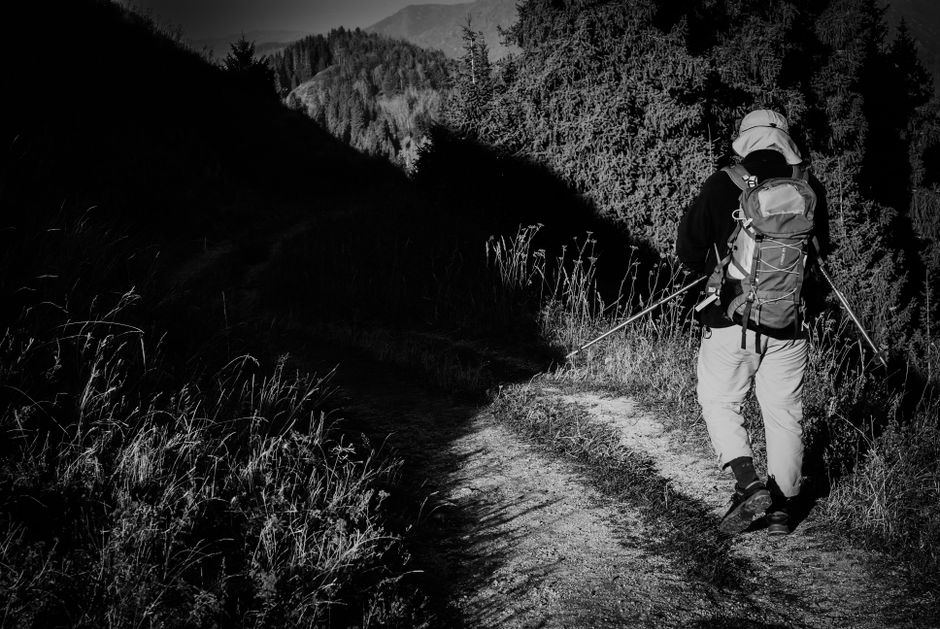
Trekking poles free your hands. A good daypack carries everything else.

Here's how the top-reviewed 2026 hiking daypacks compare on capacity, ventilation, and price.

Compare the top daypacks
⚡ Limited-time perk

One free audiobook, on us

Long trails go faster with a good story -- start a free Audible trial and get your first audiobook free.

Sponsored link -- we may earn a fee if you sign up. No extra cost to you.

Quick answer: Our top pick for hiking daypacks is the Osprey Talon 22 (Best Overall). If you're looking for best for hot weather, the Gregory Zulu 24 is a strong alternative.

A daypack is where trekking-pole hikers put everything their hands used to carry

Reviewed by the WanderPole team · last updated 2026-08-24

Once your hands are on trekking poles instead of a bottle or a jacket, everything else needs somewhere to go — water, layers, snacks, a map. A daypack in the 12-24 liter range covers most day hikes, with the right size depending on trip length and how much you layer up or down.

The two biggest differentiators between daypacks are the back panel (a suspended mesh design like Osprey's AirScape or Gregory's VaporSpan keeps you cooler on warm days but adds some bulk and weight, while a flush-back design like the Deuter Speed Lite stays slimmer and lighter) and whether it has dedicated loops for trekking poles — worth checking if you plan to stow your poles hands-free on descents or breaks.

Suspended vs. flush back panel

Suspended mesh panels (Osprey AirScape, Gregory VaporSpan) add airflow on hot days at the cost of some bulk; flush-back designs like the Deuter Speed Lite stay slimmer and lighter.

Check for trekking pole attachments

Loops or straps for stowing poles hands-free matter if you switch between poles and scrambling, or want to free your hands for a snack break.

Size to your typical trip, not your longest one

A 12L pack covers short, fast hikes; 20-24L covers most full-day hikes with layers and extra water; anything bigger usually means you actually need an overnight pack.

Product Best For Price Rating
Osprey Talon 22 Best Overall $140 - $150 4.7/5
Gregory Zulu 24 Best for Hot Weather $150 - $170 4.6/5
Deuter Speed Lite 21 Best Lightweight $110 - $130 4.5/5
The North Face Trail Lite 12 Best Budget $60 - $75 4.3/5
Best Overall

Osprey Talon 22

4.7

A 22-liter all-around daypack with Osprey's AirScape suspended mesh back panel and dual trekking pole attachment loops, built to handle everything from short state park loops to steep summit pushes.

  • AirScape back panel keeps airflow even under a loaded pack
  • Dedicated trekking pole and ice axe attachments
  • Comfortable enough for both short hikes and long summit days
  • Pricier than basic daypacks with similar capacity
  • 22L runs tight for overnight or cold-weather layers
Best for Hot Weather

Gregory Zulu 24

4.6

A 24-liter pack built around Gregory's suspended VaporSpan back panel, aimed at hikers who run hot and want maximum airflow on long, warm-weather days.

  • VaporSpan suspended mesh panel keeps your back notably cooler
  • Well-padded hip belt for a 24L pack
  • Good organization for layers, snacks, and a hydration bladder
  • Suspended back panel adds bulk versus a flush-back design
  • Heavier than minimalist daypacks
Best Lightweight

Deuter Speed Lite 21

4.5

A simple, light 21-liter daypack without a heavy suspension system, versatile enough for day hikes, mountain biking, or scrambling where low bulk matters more than max ventilation.

  • Noticeably lighter than suspended-back-panel packs
  • Slim profile that doesn't snag on brush or rock
  • Versatile enough for hiking, biking, or climbing approaches
  • Less back ventilation than suspended-panel packs like the Zulu
  • Fewer organizational pockets than premium daypacks
Best Budget

The North Face Trail Lite 12

4.3

A minimal 12-liter daypack for short, fast hikes — no frills, low weight, and enough room for water, a layer, and snacks.

  • Lowest price of the packs in this comparison
  • Featherlight for short, fast-paced hikes
  • Simple layout with no unnecessary bulk
  • 12L is too small for all-day hikes needing extra layers
  • Minimal padding compared to bigger, structured packs

Which one should you get?

You want one pack that works for both short walks and long summit days

The Osprey Talon 22 (Best Overall) balances capacity, ventilation, and trekking pole attachments for the widest range of hikes.

You run hot on the trail

The Gregory Zulu 24 (Best for Hot Weather) uses a suspended VaporSpan panel specifically to maximize airflow.

You just want a light pack for short hikes without spending much

The North Face Trail Lite 12 (Best Budget) keeps things simple and inexpensive.

Frequently Asked Questions

What size daypack do I actually need for a full-day hike with trekking poles?

For most full-day hikes with layers and extra water, 20-24 liters covers it -- a 12L pack like The North Face Trail Lite is better suited to short, fast hikes without much gear. Size to your typical trip, not your longest one; if you're regularly packing for cold-weather layers or overnight loads, that's usually a sign you need a dedicated overnight pack rather than sizing up a daypack.

Is a suspended mesh back panel actually worth the extra bulk?

On hot days, yes -- a suspended design like Osprey's AirScape or Gregory's VaporSpan holds the pack's back panel away from your spine, creating an airflow gap that keeps you noticeably cooler under a loaded pack. The trade-off is added bulk and weight versus a flush-back design like the Deuter Speed Lite. If you consistently hike in warm conditions, the ventilation is worth it; for cooler climates or minimal-weight priorities, flush-back is the better trade.

Do I actually need dedicated trekking pole attachment loops?

Only if you plan to stow your poles hands-free during a hike -- for a scramble, a snack break, or switching to using your hands for a rock section, loops or straps like the Osprey Talon 22's dual attachment points let you secure poles to the pack instead of holding them or laying them down. If your poles stay in hand for the entire hike, this feature doesn't add much value.

How much does a suspended back panel actually add in weight versus flush-back?

It varies by pack, but the Gregory Zulu 24's VaporSpan suspension is noted specifically as heavier than minimalist daypacks, and the trade-off is consistent across brands -- the mesh frame and airflow gap add structural weight that a flush-back pack like the Deuter Speed Lite 21 skips entirely. If minimizing pack weight matters more than ventilation to you, that's the more direct number to weigh against comfort.

Is a budget 12L pack like The North Face Trail Lite good enough for a longer hike?

Not for an all-day hike needing extra layers -- 12L is sized specifically for short, fast hikes with minimal gear, and it has minimal padding compared to bigger, structured packs. For anything beyond a couple of hours or trips where you're carrying a layer, extra water, and snacks, a 20-24L pack fits the actual gear load better.

Can I use the same daypack for hiking and mountain biking or scrambling?

A slim, flush-back pack like the Deuter Speed Lite 21 is specifically versatile enough for that -- its low-bulk profile doesn't snag on brush or rock and works across day hikes, biking, or scrambling where a suspended-panel pack's extra bulk would be more of a liability. A bulkier suspended-panel pack like the Gregory Zulu is more purpose-built for hiking specifically.